
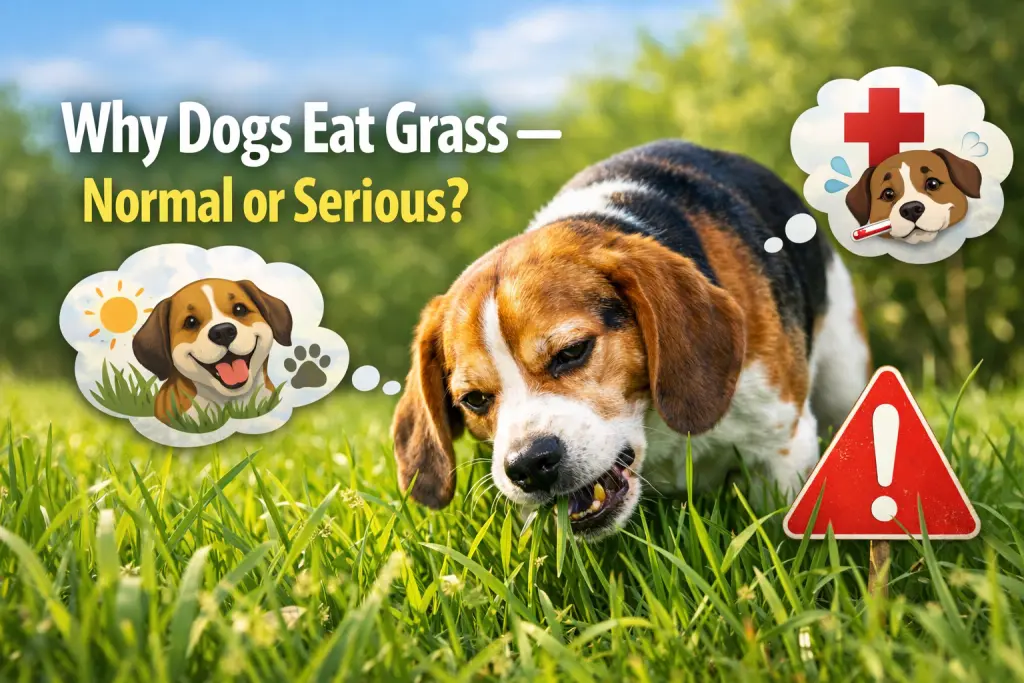
Dogs eating grass is a common behavior that has puzzled pet owners for years. The question of whether this habit is normal or potentially serious raises concerns among dog lovers. In this article, we will delve into the reasons why dogs eat grass, exploring natural behaviors, digestive benefits, and potential nutritional incentives. Additionally, we will investigate the possible health issues associated with grass consumption, including gastrointestinal problems, toxins ingestion, and various risks.
WHY DOGS EAT GRASS - NORMAL OR SERIOUS?
One of the enduring mysteries of canine behavior is their tendency to nibble on grass. While some may view this as a harmless pastime, others worry about underlying health issues. Dogs consuming grass can range from normal behavior to a symptom of an unidentified problem. Understanding the reasons behind this activity is crucial in deciphering its significance.
For many dogs, eating grass is simply a natural behavior derived from their ancestors. Wild canines often consumed vegetation as part of their diet, and domesticated dogs may retain this instinctual urge. It can serve as a way to address minor stomach troubles, aid in digestion, or even fulfill a nutritional void. However, it's essential to differentiate between occasional grazing and excessive consumption, which could hint at more severe conditions.
While most instances of grass eating are harmless, some scenarios demand closer attention. Certain dogs may exhibit an increased appetite for grass due to dietary deficiencies or underlying health issues. It's important for pet owners to monitor their dog's behavior and consult with a veterinarian if the habit becomes excessive or is accompanied by other symptoms. By identifying the root cause, appropriate measures can be taken to ensure the well-being of the pet.
REASONS FOR GRASS CONSUMPTION: NATURAL BEHAVIOR, DIGESTIVE HELP, AND POSSIBLE NUTRITIONAL BENEFITS
Exploring the motivations behind dogs eating grass reveals a spectrum of potential reasons that go beyond mere curiosity. From an evolutionary perspective, canines have evolved to occasionally ingest plant matter as part of their diet. This natural behavior can be attributed to obtaining essential nutrients, aiding in digestion, or even addressing minor ailments.
For some dogs, grazing on grass serves as a form of self-medication. When experiencing digestive discomfort, they may seek out specific types of grasses that act as natural remedies. These plants can help induce vomiting, which aids in expelling unwanted substances from the stomach. Additionally, grass consumption may provide fiber and valuable nutrients that are lacking in their regular diet, contributing to overall health and well-being.
Although the act of eating grass may seem puzzling to humans, it is a prevalent behavior observed in dogs worldwide. Pet owners should observe their furry companions' habits and strive to create a balanced diet that meets their nutritional requirements. While occasional grass consumption is generally considered safe, persistent or compulsive behavior warrants further investigation to rule out any underlying issues.
POSSIBLE HEALTH ISSUES RELATED TO GRASS EATING: GASTROINTESTINAL PROBLEMS, TOXINS INGESTION, AND POTENTIAL RISKS
While dogs eating grass is usually benign, there are potential health risks associated with this behavior that should not be overlooked. Gastrointestinal problems can arise if the ingested grass irritates the digestive tract, leading to vomiting or diarrhea. Additionally, some grasses may harbor toxins or pesticides that could be harmful when consumed in large quantities.
Pet owners should be vigilant in monitoring the types of grasses their dogs have access to, especially in areas where chemicals or toxins may be present. Certain plants can be toxic to dogs, causing adverse reactions ranging from mild stomach upset to more severe poisoning. It's essential to cultivate a pet-friendly environment and provide safe alternatives for dogs to satisfy their natural urge to consume vegetation.
By understanding the potential risks associated with dogs eating grass, pet owners can take proactive measures to safeguard their furry friends' health. Avoiding chemically treated lawns, ensuring access to a balanced diet, and seeking veterinary advice when necessary are crucial steps in promoting a happy and healthy lifestyle for dogs.
CONCLUSION
In conclusion, the debate surrounding why dogs eat grass encompasses a blend of natural instincts, dietary considerations, and potential health implications. While this behavior is generally innocuous, it's essential for pet owners to be mindful of any changes in their dog's grass-eating habits and seek professional guidance if needed. By maintaining a holistic approach to canine care, we can nurture our beloved companions and ensure their well-being for years to come.
FAQs
Why do dogs eat grass?
Dogs may eat grass for various reasons, including fulfilling a nutritional need, aiding in digestion, or addressing minor stomach discomfort. It can also be a natural behavior inherited from their wild ancestors.
Is it harmful for dogs to eat grass?
While occasional grass consumption is generally safe, excessive ingestion or consuming toxic plants can lead to health issues. It's important to monitor your dog's grass-eating habits and ensure they have access to safe vegetation.
When should I be concerned about my dog eating grass?
If your dog exhibits compulsive grass-eating behavior, experiences vomiting or other digestive issues after consuming grass, or shows signs of distress, it's advisable to consult with a veterinarian to rule out any underlying health issues.