
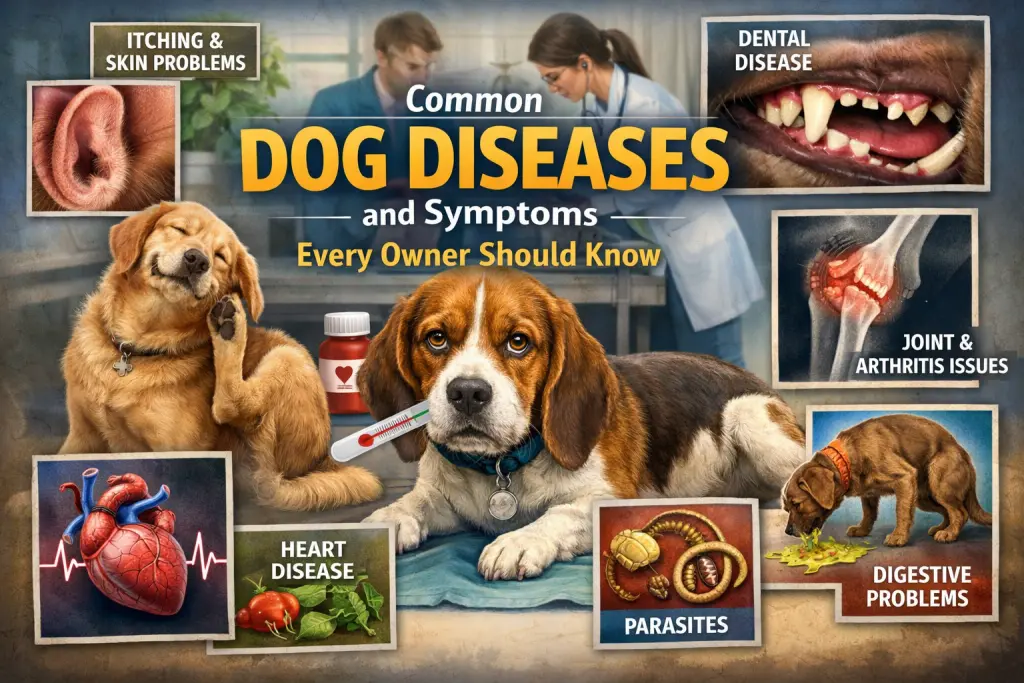
Common Dog Diseases and Symptoms Every Owner Should Know
Introduction:
As responsible pet owners, it is crucial to be well-informed about common dog diseases to ensure the well-being of our furry companions. This article aims to shed light on various prevalent health issues that can affect dogs, from Canine Parvovirus to Obesity, covering their signs, risks, preventive measures, and treatment options.
Canine Parvovirus: Understanding the Signs, Risks, and Preventive Measures
Canine Parvovirus, commonly known as Parvo, is a highly contagious viral illness that primarily affects puppies and unvaccinated dogs. The symptoms of Parvo include severe diarrhea, vomiting, lethargy, and loss of appetite. It poses a significant risk to a dog's health, leading to dehydration and even death if left untreated. Vaccination is the most effective way to prevent Parvo, along with proper hygiene practices and isolation of infected animals.
Lyme Disease in Dogs: Symptoms, Treatment, and Prevention Tips
Lyme Disease is transmitted through tick bites and can cause symptoms such as lameness, fever, and lack of appetite in dogs. Early detection is key to successful treatment, which usually involves antibiotics. Preventative measures like regular tick checks, using tick preventatives, and vaccination in high-risk areas can help protect your dog from this disease.
Kennel Cough: Causes, Symptoms, and How to Manage It
Kennel Cough is a respiratory infection characterized by a persistent cough, often contracted in places with multiple dogs, such as boarding facilities. While it is usually mild and resolves on its own, severe cases may require medication. Good ventilation, proper sanitation, and avoiding exposure to sick dogs are essential for prevention.
Rabies: Recognizing the Symptoms and the Importance of Vaccination
Rabies is a fatal viral disease that affects the central nervous system of mammals, including dogs. Symptoms of Rabies in dogs may include aggression, excessive salivation, and difficulty swallowing. Vaccination against Rabies is not only vital for your dog's health but also required by law in many regions to prevent the spread of this deadly disease.
Heartworm Disease: How to Spot It Early and Protect Your Dog
Heartworm Disease is transmitted through mosquito bites and can be life-threatening if left untreated. Common symptoms include coughing, fatigue, and weight loss. Regular screenings, preventive medications, and minimizing exposure to mosquitoes are essential for early detection and protection against Heartworm Disease.
Gastric Dilatation-Volvulus (Bloat): Symptoms, Risks, and Emergency Response
Bloat is a serious condition where a dog's stomach fills with gas or fluid and twists on itself, leading to potentially fatal consequences. Symptoms include restlessness, distended abdomen, and unproductive retching. Immediate veterinary intervention is necessary in suspected cases of Bloat to prevent shock and save the dog's life.
Leptospirosis: Signs, Treatment, and Prevention
Leptospirosis is a bacterial disease that can affect both dogs and humans, transmitted through contact with contaminated water or soil. Symptoms include muscle pain, fever, and kidney failure. Treatment involves antibiotics, and vaccination is recommended for at-risk dogs living in endemic areas.
Distemper in Dogs: Understanding This Viral Disease and Its Effects
Canine Distemper is a contagious viral infection that attacks the respiratory, gastrointestinal, and nervous systems of dogs. Initial symptoms may include nasal discharge, coughing, and fever, progressing to neurological signs. Vaccination is crucial in preventing Distemper, along with practicing good hygiene and minimizing contact with infected animals.
Hip Dysplasia: Recognizing the Signs and Ways to Manage It
Hip Dysplasia is a genetic condition where the hip joint develops abnormally, leading to pain and mobility issues in dogs. Symptoms include limping, reluctance to exercise, and decreased range of motion. Management strategies include weight control, physical therapy, and surgical options in severe cases.
Ear Infections in Dogs: Common Causes, Symptoms, and Treatments
Ear Infections are a common health issue in dogs, often caused by allergies, moisture, or ear anatomy. Symptoms include ear odor, redness, head shaking, and discharge. Proper diagnosis by a veterinarian is essential for effective treatment, which may include ear cleaning, medication, and identifying underlying causes.
Skin Allergies: Identifying Symptoms and Effective Management Techniques
Skin Allergies can manifest through itching, redness, and skin lesions in dogs, caused by environmental or food allergens. Treatment involves allergen avoidance, medicated baths, and dietary changes. Consultation with a veterinary dermatologist can help pinpoint specific triggers and develop a tailored management plan.
Obesity in Dogs: Health Risks, Prevention Strategies, and Weight Management Tips
Obesity is a prevalent issue in dogs that can lead to various health problems like diabetes, arthritis, and heart disease. Preventing obesity through balanced nutrition, regular exercise, and portion control is crucial for maintaining your dog's overall health and longevity. Consultation with a veterinarian can help create a personalized weight management plan for your dog.
Conclusion
In conclusion, staying informed about common dog diseases is key to proactively safeguarding your pet's health. By recognizing early warning signs, implementing preventive measures, and seeking timely veterinary care, you can ensure a happy and healthy life for your beloved canine companion.
FAQs
What should I do if my dog shows symptoms of a potential health issue?
If your dog displays concerning symptoms such as lethargy, vomiting, or changes in behavior, it is important to seek veterinary attention promptly. Early diagnosis and treatment are crucial in managing various health conditions effectively.
How often should my dog receive vaccinations?
Vaccination schedules may vary based on your dog's age, lifestyle, and risk factors. Consult with your veterinarian to establish an appropriate vaccination protocol tailored to your pet's individual needs.
Are there any natural remedies for common dog ailments?
While some natural remedies may offer symptomatic relief for minor issues, it is essential to consult with a veterinarian before using any alternative treatments. Professional guidance ensures the safety and efficacy of interventions for your dog's well-being.