
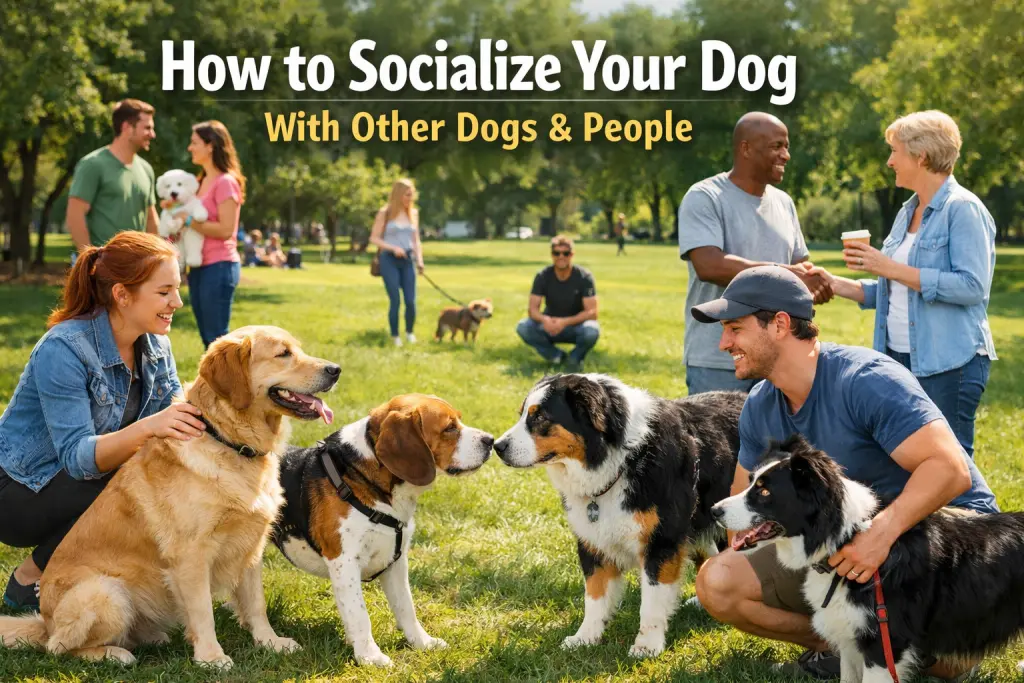
How to Socialize Your Dog With Other Dogs & People
Socializing your dog with other dogs and people is a crucial aspect of their overall well-being. It helps in developing positive behavior traits and contributes to their mental and emotional health. By exposing your furry friend to different situations, you can help them build confidence and learn how to interact effectively with others. Whether it's at the dog park, obedience classes, or social gatherings, socialization plays a vital role in shaping your dog's social skills.
One effective technique for dog socialization is gradual exposure. Start by introducing your dog to new environments and individuals in a controlled manner. This approach helps prevent overwhelm and allows your dog to adjust at their own pace. Positive reinforcement is another key element in socialization. Rewarding desirable behaviors encourages your dog to repeat them, reinforcing positive interactions with other dogs and people.
Benefits of dog socialization: positive impacts on behavior, health, and overall well-being.
The benefits of dog socialization extend far beyond improved behavior. Dogs that are well-socialized tend to exhibit fewer behavioral problems such as aggression or anxiety. Socialization also plays a significant role in enhancing their physical health by reducing stress levels and boosting their immune system. Moreover, a socially adept dog is more likely to lead a fulfilling life, interacting confidently with both canine companions and humans.
Furthermore, socialization contributes to your dog's overall well-being by providing mental stimulation and preventing boredom. Engaging in social activities helps your dog stay active, curious, and emotionally balanced. It creates a sense of belonging and strengthens the bond between you and your pet, fostering a harmonious relationship based on trust and understanding.
Socialization techniques: gradual exposure, positive reinforcement, and supervised interactions with other dogs and people.
Implementing proper socialization techniques involves a combination of strategies tailored to your dog's individual needs. Gradual exposure involves introducing your dog to new stimuli in a step-by-step manner, allowing them to adjust without feeling overwhelmed. Positive reinforcement, such as offering treats or praise for good behavior during social interactions, reinforces positive associations with socializing.
Supervised interactions are essential during the socialization process, especially when introducing your dog to unfamiliar dogs or people. Monitoring their behavior and intervening when necessary helps ensure positive experiences and prevents any negative incidents. By incorporating these techniques consistently, you can help your dog develop strong social skills and build confidence in various social settings.
Challenges in socializing adult dogs: strategies to overcome fear, aggression, and lack of social skills.
While socializing adult dogs may present challenges, it is still possible to help them overcome fear, aggression, or a lack of social skills. Understanding your dog's behavior and triggers is crucial in addressing these issues effectively. Gradual desensitization techniques can help reduce fear and anxiety, gradually exposing your dog to triggers in a controlled environment.
Using positive reinforcement to reward calm and relaxed behavior can assist in managing aggression during social interactions. Building your dog's confidence through training and structured socialization activities can also help improve their social skills over time. Patience, consistency, and seeking professional guidance when needed are key in addressing socialization challenges in adult dogs.
Importance of early socialization: the benefits of starting the process during puppyhood for long-term social development.
Early socialization in puppyhood sets the foundation for long-term social development in dogs. Puppies are more receptive to new experiences and learning during their critical socialization period, which typically occurs between 3 to 14 weeks of age. Exposing puppies to a variety of stimuli, environments, and interactions during this time helps shape their behavior and responses to social situations.
Proper early socialization can prevent fear, anxiety, and aggressive behavior tendencies in adult dogs. It promotes adaptability, resilience, and confidence in facing novel situations throughout their lives. By prioritizing early socialization efforts, you can support your puppy's emotional well-being and lay the groundwork for a socially well-adjusted and happy adult dog.
Professional training services: the role of trainers and behavior specialists in assisting with dog socialization
Professional trainers and behavior specialists play a significant role in assisting dog owners with the socialization process. They possess the expertise and experience to assess individual dog behavior, identify specific socialization needs, and create tailored training plans. These professionals can provide guidance on socialization techniques, address behavioral challenges, and offer support throughout the socialization journey.
By enlisting the help of trained professionals, dog owners can gain valuable insights, practical skills, and personalized strategies to enhance their dog's social skills effectively. Trainers and behavior specialists act as mentors, coaches, and resources for both dogs and their owners, fostering a positive learning environment and promoting successful socialization outcomes.
Common mistakes to avoid: understanding the pitfalls that can hinder successful socialization experiences for dogs.
When socializing your dog, it's essential to be aware of common mistakes that can impede their social development. One common pitfall is pushing your dog too quickly into unfamiliar situations, causing stress and potentially negative reactions. Lack of positive reinforcement for desired behaviors or inconsistent training methods can also hinder successful socialization.
Additionally, overlooking the importance of supervised interactions or neglecting to address early signs of fear or aggression can lead to socialization setbacks. Avoiding these mistakes requires patience, observation, and a proactive approach to your dog's socialization progress. By being mindful of potential pitfalls and adjusting your socialization strategies accordingly, you can create a positive and enriching socialization experience for your furry companion.
Conclusion
Effective socialization is key to promoting your dog's well-being, behavior, and overall quality of life. By implementing appropriate socialization techniques, understanding your dog's individual needs, and seeking professional assistance when necessary, you can help your canine companion thrive in various social settings. Prioritizing early socialization efforts and avoiding common mistakes are essential steps towards fostering a confident, well-adjusted, and socially adept dog.
FAQs
Q: When is the best time to start socializing my puppy?
A: The ideal time to begin socializing your puppy is during the critical socialization period, which typically occurs between 3 to 14 weeks of age. Early and positive exposure to various stimuli and experiences during this time sets the foundation for long-term social development.
Q: How can I help my adult dog overcome fear or aggression during social interactions?
A: Understanding your dog's triggers, implementing gradual desensitization techniques, and using positive reinforcement for calm behavior can assist in managing fear or aggression during socialization. Seeking professional guidance from trainers or behavior specialists can also provide valuable support in addressing these challenges.