
Introduction
When it comes to keeping our furry companions healthy, one of the essential aspects to consider is ensuring they receive proper vaccinations. Vaccines play a crucial role in safeguarding dogs against various infectious diseases, ultimately contributing to their overall well-being and longevity. In this comprehensive guide, we will delve into the different types of vaccines dogs need, including core vaccines, lifestyle vaccines, and optional vaccines, along with the recommended schedule and age requirements.
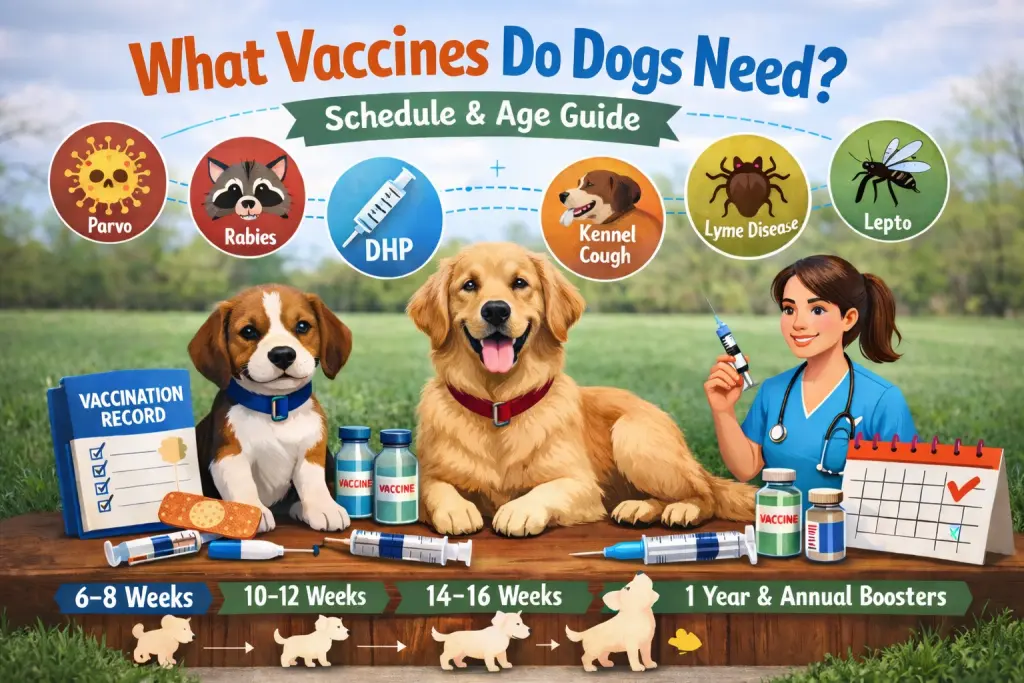
What Vaccines Do Dogs Need? Schedule & Age Guide
Understanding the necessary vaccines for dogs involves recognizing the core vaccines that are considered fundamental for protection. These typically include rabies, distemper, parvovirus, and adenovirus-2 shots, which are crucial in preventing severe and potentially fatal diseases. It is essential to adhere to the recommended vaccination schedule based on your dog's age and lifestyle to ensure optimal immunity levels.
In addition to core vaccines, lifestyle vaccines tailored to specific risk factors should be considered. These might encompass vaccinations against bordetella, leptospirosis, and Lyme disease, which are particularly relevant for dogs with increased exposure to certain environments or activities. By prioritizing these vaccines, pet owners can mitigate the risks associated with prevalent diseases and enhance their pet's resilience.
Core Vaccines for Dogs: rabies, distemper, parvovirus, and adenovirus-2 shots
Rabies, a fatal viral disease that affects the nervous system, is a mandatory vaccine for dogs due to its zoonotic nature and public health implications. Distemper, a highly contagious viral illness, can lead to severe respiratory, gastrointestinal, and neurological symptoms if left untreated. Parvovirus is another significant concern, causing severe gastrointestinal issues and potentially proving fatal, especially in puppies and unvaccinated dogs. Adenovirus-2 shots are crucial for protection against infectious hepatitis, a life-threatening liver infection.
By prioritizing core vaccines, pet owners can establish a robust foundation of immunity for their dogs, safeguarding them against prevalent and potentially devastating diseases. Regular booster shots are integral to maintaining adequate protection levels and ensuring long-term immunity.
Lifestyle Vaccines for Dogs: bordetella, leptospirosis, and Lyme disease vaccinations
For dogs frequently exposed to communal environments such as boarding facilities, dog parks, or grooming salons, bordetella vaccination is essential to prevent kennel cough—a highly contagious respiratory condition. Leptospirosis, a bacterial disease spread through contaminated water sources, poses a risk to both dogs and humans and necessitates vaccination in at-risk regions. Lyme disease vaccinations offer protection against tick-borne diseases, reducing the likelihood of debilitating symptoms and long-term health complications.
Discussing the administration of lifestyle vaccines with your veterinarian can help tailor the vaccination protocol to address your dog's specific lifestyle and environmental factors. By proactively safeguarding against these diseases, pet owners can promote their dog's health and well-being in diverse settings.
Optional Vaccines for Dogs: canine influenza, rattlesnake bites, and other region-specific immunizations
Optional vaccines cater to unique risk factors based on geographical location, lifestyle, and individual preferences. Canine influenza vaccines can offer added protection in regions prone to outbreaks, reducing the spread of this contagious respiratory infection among dogs. Rattlesnake bite vaccines are valuable for pets residing in areas inhabited by venomous snakes, providing crucial time until emergency veterinary care can be accessed.
Exploring region-specific immunizations with your veterinarian enables you to make informed decisions regarding additional protective measures for your dog. By assessing the prevalent risks in your area and considering your pet's exposure levels, you can enhance their immunity against specific threats and promote a healthier, more secure lifestyle.
Conclusion
Ensuring your dog receives appropriate vaccinations is an integral part of responsible pet ownership, contributing to their overall health and longevity. By following the recommended vaccination schedule, tailoring vaccines to your dog's lifestyle, and staying informed about optional immunizations, you can create a comprehensive defense strategy against infectious diseases. Consultation with a veterinarian remains paramount in making informed decisions regarding your dog's vaccination needs, ultimately prioritizing their well-being and quality of life.
FAQs
Why are core vaccines essential for dogs?
Core vaccines target diseases that pose significant health risks to all dogs, helping establish a foundational level of immunity that safeguards against common and severe illnesses.
How often should my dog receive booster shots?
Booster shot frequencies may vary based on the vaccine type and your dog's risk factors; consult with your veterinarian to determine the appropriate vaccination schedule tailored to your pet's individual needs.
Are optional vaccines necessary for every dog?
Optional vaccines should be considered based on factors such as geographical location, lifestyle, and exposure to specific risks; discussing these options with your veterinarian can help assess their relevance to your dog's health.