
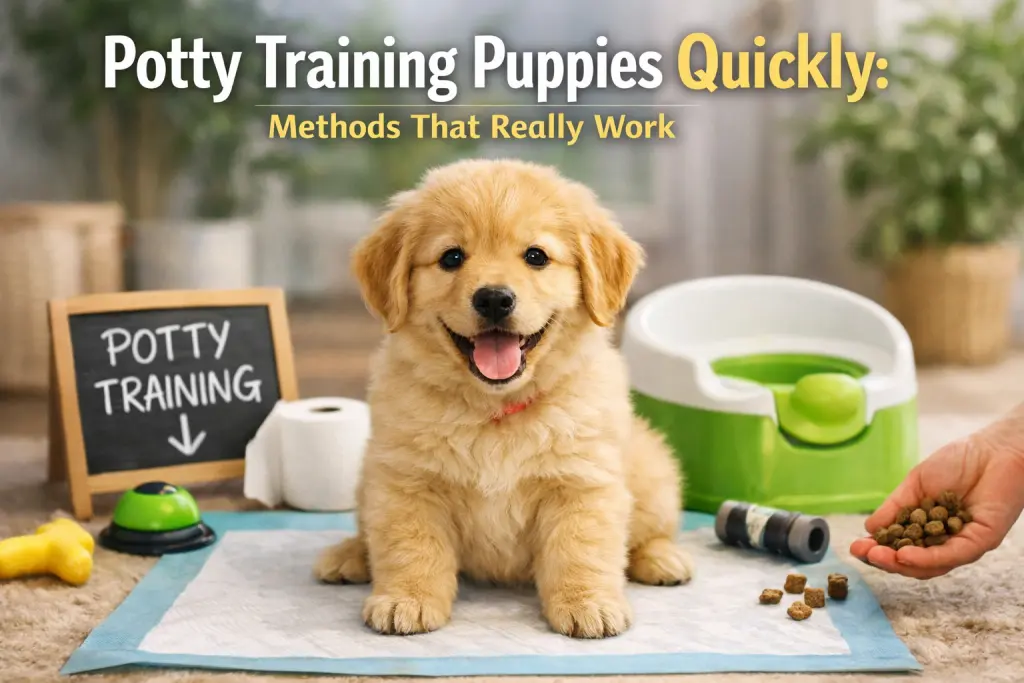
Introduction:
In this article, we will delve into the essential strategies to effectively potty train puppies. From utilizing positive reinforcement techniques to the benefits of crate training, we will explore various methods to accelerate the potty training process. Consistency, patience, and the choice between outdoor and indoor training approaches will also be discussed, along with the handy training aids and tools available to aid in the training process.
Positive Reinforcement: Effective Ways to Reward Good Behavior and Encourage Potty Training
Positive reinforcement is a powerful tool when it comes to instilling good behaviors in puppies, particularly in the realm of potty training. By rewarding your puppy's good behavior with treats, praise, or playtime, you can effectively reinforce the desired actions. Consistency in rewarding correct potty behavior helps puppies associate the act of going potty in the right place with positive outcomes, thus encouraging them to repeat the behavior.
Another effective method is clicker training, where a clicker sound is used to mark the exact moment when the puppy exhibits the desired behavior, followed by a reward. This clear and immediate feedback helps puppies understand what action led to the reward, making the training process more efficient and rewarding for both the puppy and the owner.
Crate Training Benefits: How Using a Crate Can Speed Up the Potty Training Process
Crate training is a valuable tool for expediting the potty training process in puppies. A crate serves as a den for a puppy, creating a secure and confined space where they are less likely to have accidents. Utilizing the crate for short periods, gradually increasing the duration as the puppy becomes more accustomed, helps establish a routine for potty breaks and encourages bladder control.
Additionally, crates are effective in preventing accidents during the night or when left unsupervised, as puppies tend to avoid soiling their sleeping area. When introduced correctly and used appropriately, crates can be a safe and comfortable space for puppies while aiding in the development of good potty habits.
Consistent Schedule: Importance of Establishing a Routine for Feeding, Potty Breaks, and Playtime
Establishing a consistent schedule is paramount in successful potty training. By setting regular times for feeding, potty breaks, and playtime, you help regulate your puppy's bodily functions and create predictability in their daily routine. Consistency in scheduling not only aids in potty training but also promotes overall obedience and well-being in puppies.
When puppies follow a structured schedule, they learn when and where to expect opportunities for potty breaks, reducing the likelihood of accidents indoors. This routine also fosters a sense of security and stability for puppies, enhancing their comfort and confidence in their environment.
Patience and Perseverance: Key Attitudes When Dealing with Accidents and Setbacks During Potty Training
Patience and perseverance are crucial virtues to uphold during the potty training journey. Accidents are inevitable during the learning process, and it is essential to remain calm and patient when addressing these mishaps. Avoid scolding or punishing your puppy for accidents, as this can cause anxiety and hinder the training progress.
Instead, focus on reinforcing positive behaviors, cleaning up accidents promptly with enzymatic cleaners to eliminate lingering odors, and continuing to guide your puppy with consistency and encouragement. Stay committed to the training regimen, acknowledging that setbacks are normal and part of the learning curve for both you and your puppy.
Outdoor vs. Indoor Training: Pros and Cons of Different Approaches to Teaching Puppies Where to Go Potty
The choice between outdoor and indoor training methods depends on various factors, including living arrangements, accessibility to outdoor spaces, and personal preferences. Outdoor training allows puppies to associate potty time with specific outdoor locations, promoting natural instincts and exposure to different environments. On the other hand, indoor training methods such as using pee pads or artificial turf provide convenience for owners residing in apartments or areas with limited outdoor access.
While outdoor training encourages puppies to eliminate in designated areas outside, indoor training can be useful during inclement weather or for owners with mobility constraints. Ultimately, the most effective approach depends on individual circumstances and the lifestyle of the puppy owner.
Training Aids and Tools: Using Pee Pads, Sprays, and Other Products to Facilitate Puppy Potty Training
Various training aids and tools are available to assist in the potty training process for puppies. Pee pads, for example, provide a designated indoor potty area for puppies to use, particularly useful for those living in apartments or during toilet training in inclement weather. Scented sprays designed to attract puppies to specific areas can also aid in reinforcing the desired potty habits.
Additionally, enzymatic cleaners help eliminate pet odors and stains, reducing the likelihood of repeat accidents in the same spots. Interactive toys and puzzle feeders can be incorporated into potty training routines as rewards, keeping puppies engaged and motivated during training sessions. Choosing the right training aids tailored to your puppy's needs can greatly enhance the effectiveness of the training process.
Conclusion:
Effective potty training requires a combination of positive reinforcement, consistency, patience, and the right tools to support your puppy's learning journey. By implementing structured training methods and fostering a positive environment, you can effectively teach your puppy where and when to go potty, setting them up for success in developing good habits and a strong bond with their owner.
FAQs
How long does it take to potty train a puppy?
The duration of potty training can vary depending on the breed, age, and individual characteristics of the puppy. On average, it can take several weeks to a few months to fully potty train a puppy, with consistent training and reinforcement playing a significant role in the process.
What should I do if my puppy has frequent accidents indoors?
If your puppy continues to have accidents indoors, reassess your training methods and schedule to identify any inconsistencies or areas that may need adjustment. Ensure that your puppy has regular potty breaks, is rewarded for good behavior, and that accidents are cleaned up promptly to prevent repeat incidents.
Is it necessary to use a crate for potty training?
While crate training can expedite the potty training process and provide a safe space for puppies, it is not mandatory for all dogs. Some puppies may respond well to other training methods without the use of a crate. The key is to find a training approach that suits your puppy's individual needs and promotes successful potty training outcomes.