

Training a puppy is an essential part of ensuring they grow up to be well-behaved and obedient pets. In this article, we will discuss key techniques and strategies for training your puppy effectively, focusing on teaching them basic commands like sit, stay, and come.
By implementing positive reinforcement, consistency in training sessions, patience, proper communication through cues and gestures, gradual progression, and reinforcing obedience skills, you can set your puppy up for success in their training journey.
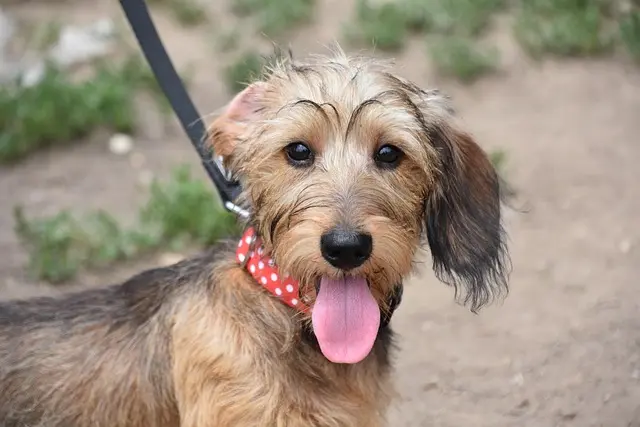
(Image: Pixabay/@kidsnewshu)
Positive Reinforcement Techniques: Rewarding Your Puppy for Good Behavior
Positive reinforcement involves rewarding your puppy with treats, praise, or toys when they exhibit the desired behavior, such as sitting on command. By creating a positive association with good behavior, your puppy will be more motivated to repeat it in the future.
Consistency is key in using positive reinforcement techniques. Make sure to reward your puppy immediately after they perform the desired behavior and be consistent in your responses to reinforce the behavior effectively.

(Image: Pixabay/@deborahmiller56)
Consistency in Training Sessions: Establishing a Routine to Reinforce Commands
Establishing a consistent training routine helps your puppy understand what is expected of them and reinforces the commands you are teaching. Set aside dedicated time each day for training sessions to maintain consistency and facilitate your puppy's learning process.
Consistency also extends to your use of cues and gestures during training. By using the same cues and gestures consistently, you help your puppy associate specific actions with your commands, making communication clearer and more effective.
Training a puppy requires patience and persistence as they learn and adapt to new behaviors. It's important to remain calm and patient during training sessions, as puppies respond best to positive and encouraging interactions.
Be persistent in your training efforts, even if progress seems slow at times. Celebrate small victories, and remember that consistency and repetition are essential for successful puppy training.
Proper Use of Cues and Gestures: Communicating Effectively with Your Furry Friend
Communication is key in training your puppy effectively. Use clear and consistent cues and gestures to help your puppy understand what is expected of them. Pairing verbal commands with physical gestures can enhance your puppy's comprehension and response to your instructions.
Take the time to teach your puppy the meaning behind each cue and gesture, and practice them regularly to strengthen the communication between you and your furry friend.
Gradual Progression in Difficulty: Advancing Training Levels Based on Your Puppy's Progress
As your puppy becomes more proficient in basic commands like sit, stay, and come, gradually increase the difficulty of training exercises to challenge them further. Introduce distractions, distance, and duration to test your puppy's obedience and focus.
Monitor your puppy's progress carefully and adjust the training difficulty level accordingly. By gradually increasing the challenges in their training, you can help your puppy build confidence and mastery in their obedience skills.
Reinforcing Basic Obedience Skills: Ensuring Your Puppy Learns and Retains Fundamental Commands
Reinforcement is key to ensuring your puppy learns and retains the fundamental commands of sit, stay, and come. Practice these commands regularly in different environments and situations to reinforce your puppy's understanding and responsiveness.
Use a combination of positive reinforcement, consistency, and patience to reinforce these basic obedience skills consistently. Celebrate your puppy's progress and continue to work on refining their skills to maintain their training success.
Conclusion
Training a puppy to sit, stay, and come requires dedication, patience, and effective communication. By incorporating positive reinforcement techniques, consistency in training sessions, and gradual progression in difficulty, you can help your puppy develop essential obedience skills for a happy and well-behaved pet.
FAQs
How often should I train my puppy?
It is recommended to train your puppy daily for short sessions to keep them engaged and focused. Consistent training helps reinforce learning and strengthens the bond between you and your puppy.
What should I do if my puppy struggles with a certain command?
If your puppy is having difficulty with a specific command, break down the training into smaller steps and offer plenty of rewards for incremental progress. Be patient and encouraging, and seek guidance from a professional trainer if needed.